Most buyers start with the wall behind the sofa. That is understandable, but it is not enough to describe the room well.
A useful measurement pack does more than prove that a sofa can physically fit. It explains how the room works, where movement needs to stay comfortable, and whether the path into the home changes what shape is realistic. That is why one wall dimension rarely tells the whole story.
What matters before you ever request a quote
The most useful room measurements are the ones that explain:
- the real footprint the sofa has available
- the circulation the room cannot afford to lose
- the access path into the room
- the fixed obstacles that shrink usable width or depth
- the relationship between the sofa, coffee table, and opposite seating
Taken together, those measurements describe a room. On their own, they are just scattered numbers.
Think in zones, not a single wall
When buyers measure only the wall, they usually miss the parts of the room that create daily friction. A sofa can fit neatly on paper and still leave the walkway cramped, push the coffee table too close, or make a nearby door feel awkward.
The better approach is to treat the room as a set of working zones. One zone is about the sofa envelope. Another is about movement. Another is about delivery and access. Another is about how the room is actually used once people are sitting down, standing up, or walking through.
That shift sounds simple, but it changes the quality of the brief dramatically.
Four measurement groups that actually help
Fit
Start with the practical envelope: maximum width, likely depth range, and anything nearby that changes the usable footprint. Windows, radiators, floor lamps, side tables, trim, and return walls all matter here.
Circulation
Now look at movement. Measure the route from the doorway into the room, the space that needs to remain beside the sofa, and the clearance in front of the seating. Rooms often fail here, not because the sofa is technically too big, but because the room becomes annoying to live with.
Access
Before a custom piece feels fixed, measure the path into the home: doors, turns, lift conditions, stair landings, and pinch points. Access is not only a delivery concern. It can reshape what kind of product is realistic in the first place.
Context
Finally, record the room elements that affect how the sofa will be used: coffee table zone, opposite seating, TV wall, window line, or the focal direction of the space. A dimension tied to context is far more useful than a dimension floating on its own.
Why a 3-meter wall can still produce the wrong sofa
A room can have a 3-meter wall and still reject a 3-meter sofa.
That happens when the number on the wall is treated like the only number that matters. Once you add walkway clearance, the depth of the coffee table zone, a window return, or the need for a side table, the room starts behaving differently. The wall may still measure 3 meters, but the usable envelope may be much tighter.
That is the distinction buyers need to hold onto: available wall width is not the same thing as usable sofa width.
A cleaner room brief
| Measurement group | What to capture | Why it matters |
|---|---|---|
| Fit | wall length, realistic depth range, nearby fixed obstacles | this defines the true product envelope |
| Circulation | entry path, side clearance, front clearance | this protects daily movement and comfort |
| Access | doors, corners, lift or stair pinch points | this changes what shapes are even realistic |
| Context | coffee table zone, opposite seating, focal wall, window line | this ties dimensions to how the room actually works |
| Priorities | what cannot be compromised and what can flex | this helps the quote depend on the real brief instead of guesswork |
Once that sheet is clear, the buyer starts asking better questions. Instead of “Can I fit a big sofa?” the conversation becomes “Do I need narrower arms, less depth, or a different layout to protect circulation?”
Use product pages before you brief custom
This is where product pages become more than inspiration.
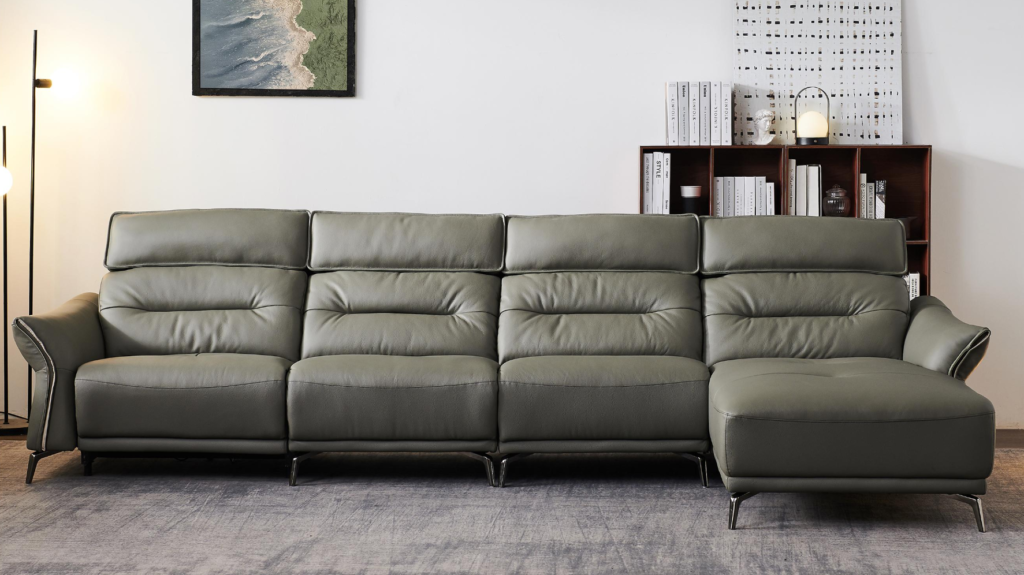
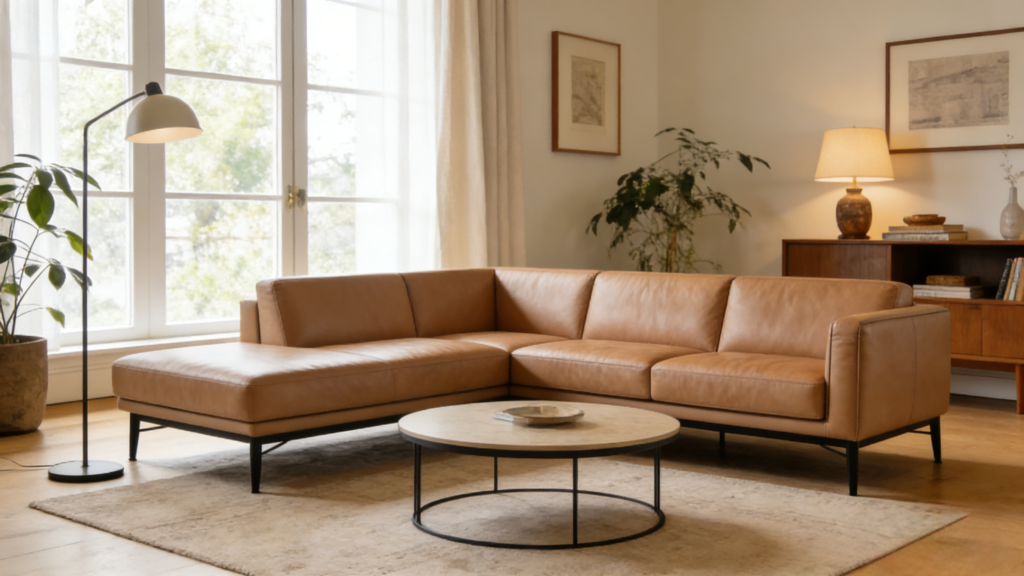
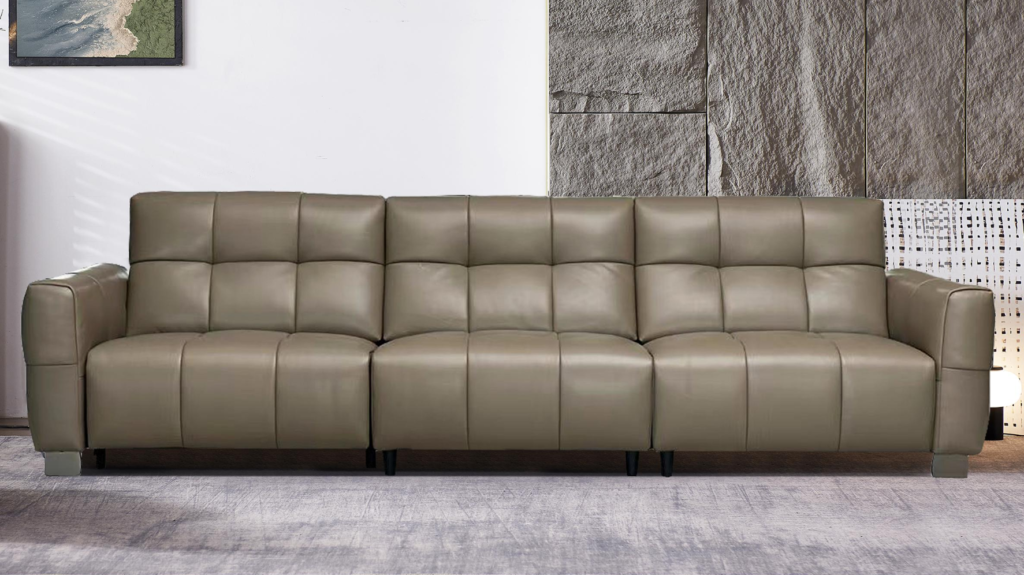
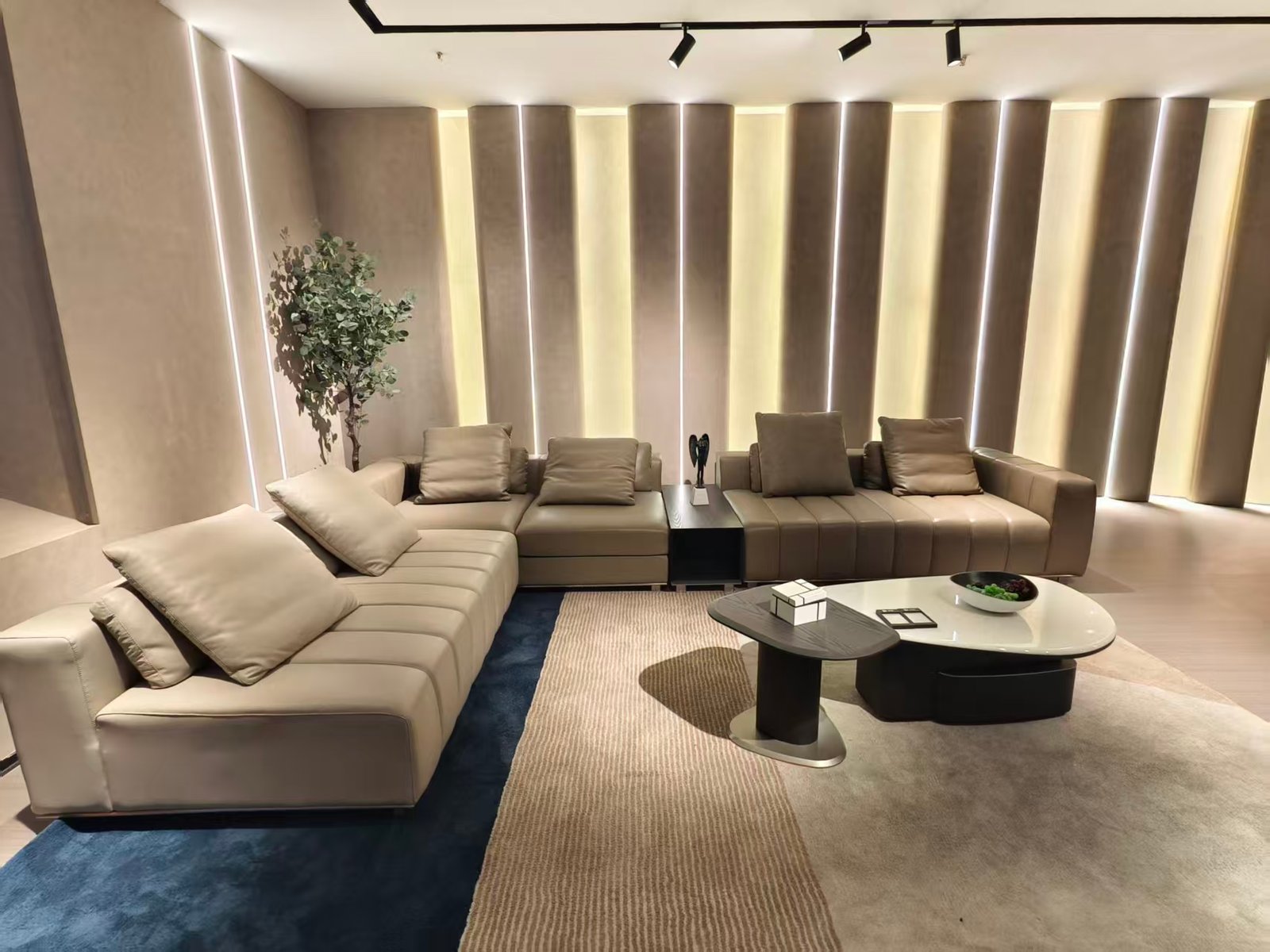
Comparing your room against The Modern Minimalist, Avenue L-Sectional, or a broader range inside Famuchy products gives your numbers something concrete to react to. The measurement pack stops being abstract and starts interacting with real forms, real depths, and real proportions.
Famuchy’s product pages also mention custom sizing and detail tweaks, while the service side moves toward consultation, quotation, and drawing support. That sequence makes sense only when the room has already been described well enough to justify it.
Conclusion
The best room measurements are not the longest list. They are the numbers that explain fit, circulation, access, and use clearly enough that a supplier can understand the real problem before quoting or drawing.
Start with Famuchy products to get a scale reality check, then move into Service and Contact once the room can be described as a working layout rather than just one available wall.
Need a Custom Furniture Quote?
If you are planning a leather sofa, sectional, or factory-direct furniture project, explore our collections or contact the Famuchy team directly.